

PASSWORD …
(Normally, I include the password here, but we’re opening up The Clubhouse to everyone today! If you know the password, put it in the subject line for your responses to proudly display your Clubhouse badge!)
The Clubhouse is now in session. Welcome, everyone, to our open edition!
The Clubhouse, which appears every Friday, is where the conversation opens up — where we go a little deeper, wander down a few side roads, have friendly arguments, chat over the weekend, and share some joy. It’s loose, it’s a little weird, it’s very communal, and today we’re opening it up for everybody. I hope you all like it; we’d love for you to be a part of it.
And today, I think, yeah, I’m going to announce what my next book will be about.
Baseball is happening! Here’s your weekly splash of joy.
What is your favorite ever baseball card?
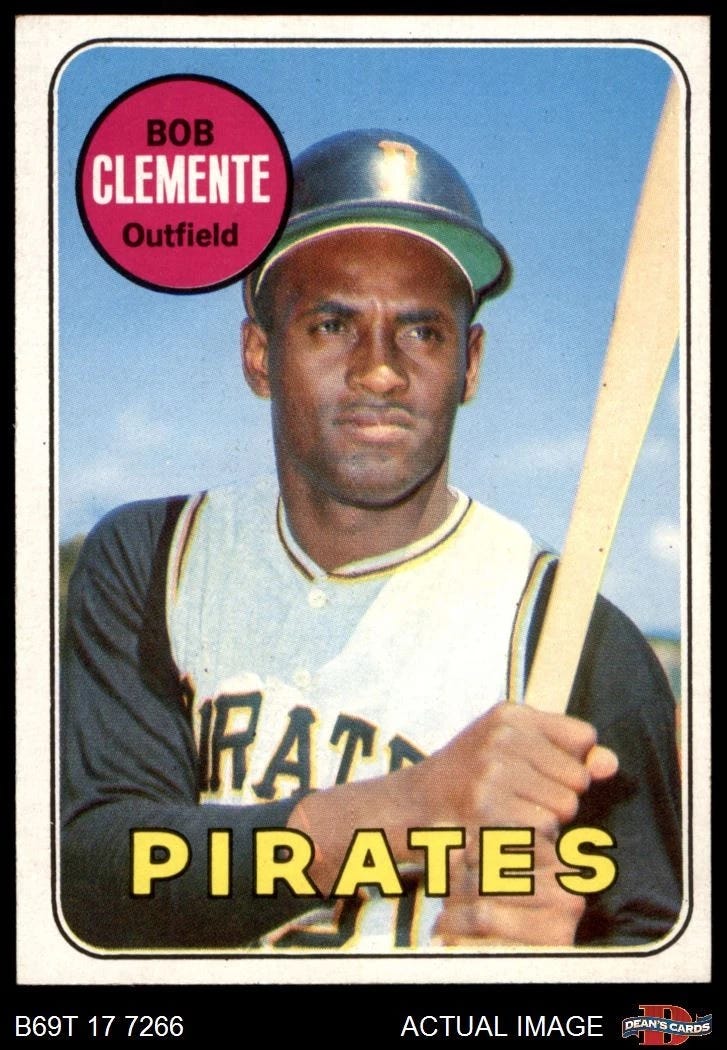
From Brilliant Reader Alan: My favorite card is the 1969 Topps Roberto Clemente card. This was my first year of collecting (at age 8), and Clemente was one of my favorite players. I was, however, confused that Topps printed his name as “Bob” Clemente. Did he really go by Bob? HE WAS THE MOST UN-“BOB”-LIKE PLAYER EVER!
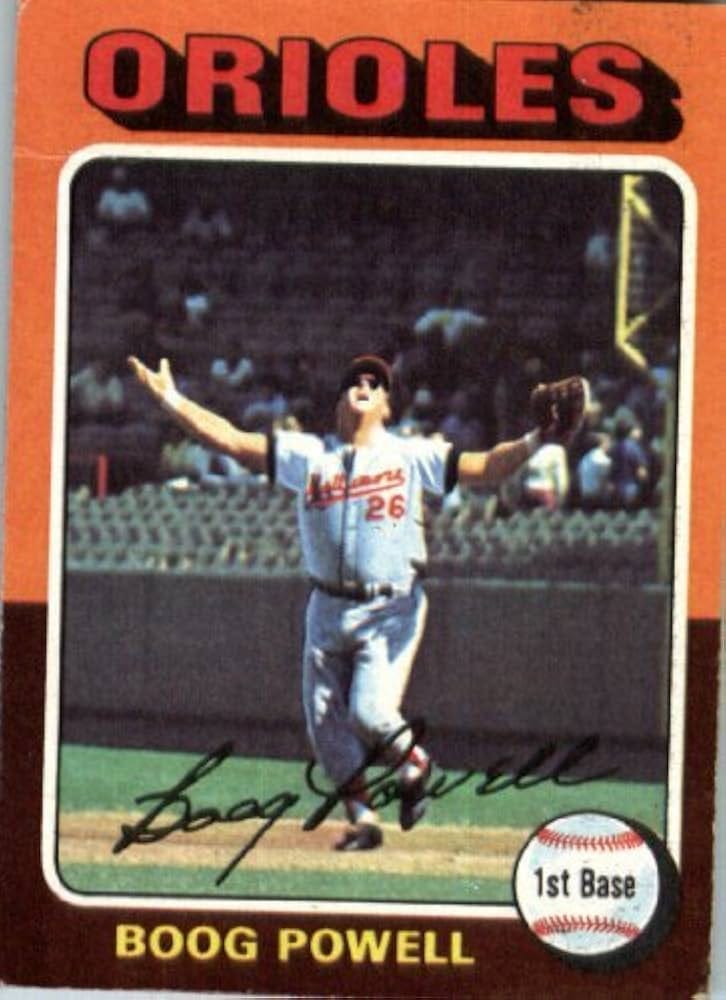
From Brilliant Reader Jason: The 1975 Topps Boog Powell “Sign From God” card. Boog was obviously known for his slugging ability, but this card shows him receiving some heavenly help fielding a fly ball at first. A true golden glove.
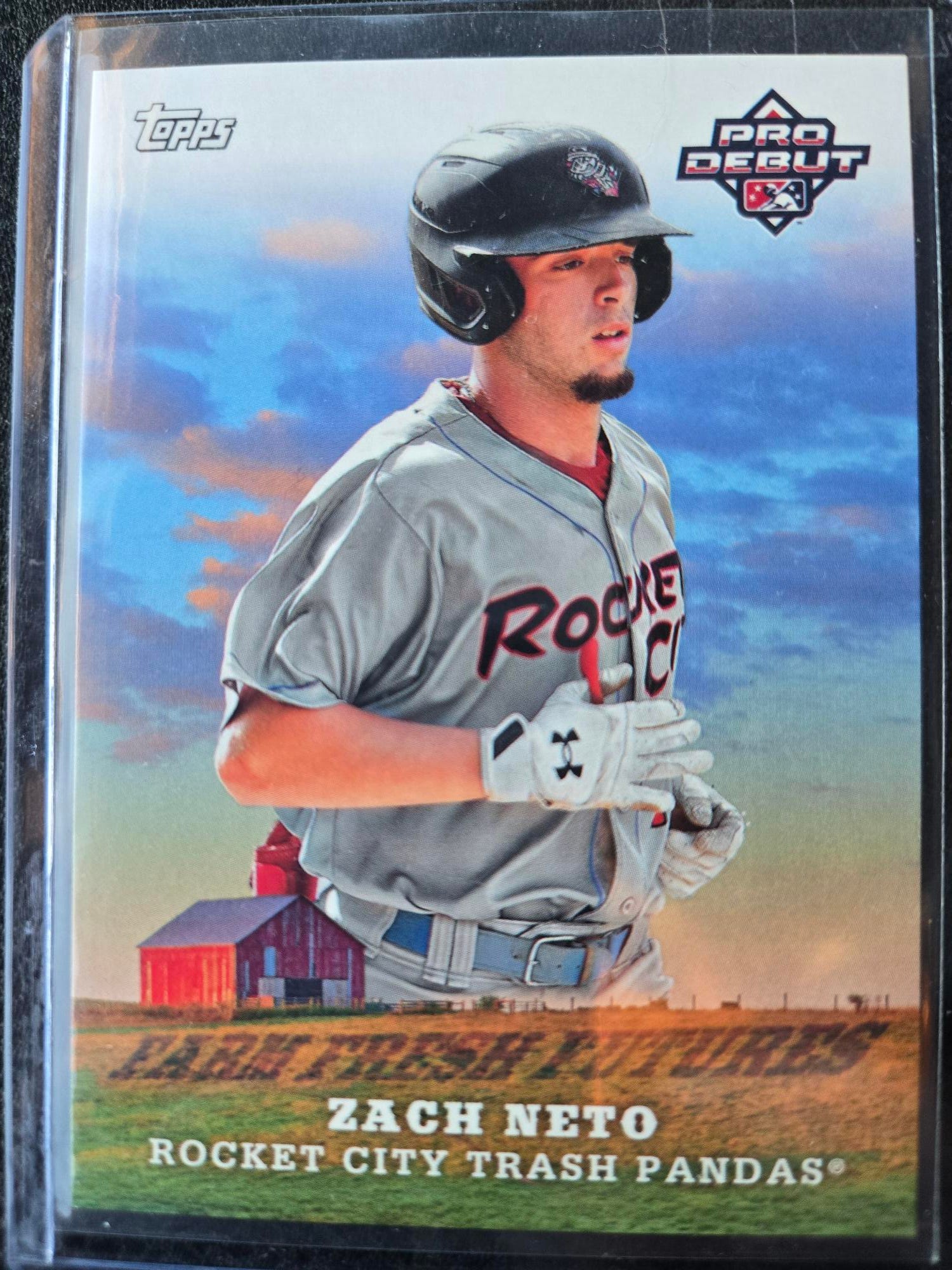
From Brilliant Reader Skye: In Zach Neto’s Topps Pro Debut 2023 "Farm Fresh Futures" card, he is twenty times larger than the barn at the bottom. He is jogging somewhere; his face suggests going back to the dugout after grounding out. He is playing for the Rocket City Trash Pandas.
Joe: Fantastic, fantastic entries continue to pour in. This will be a fun series to follow!
It’s the Ballad of Marco Scutaro!
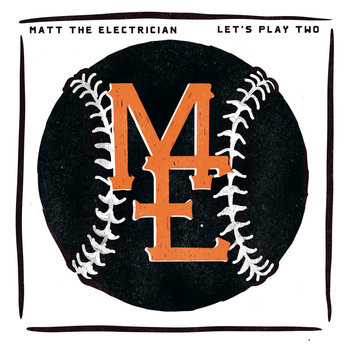
Our dear friend — and Brilliant Reader — Matt the Electrician has a new little record out called “Let’s Play Two” with two baseball songs on it. They’re both absolutely fantastic, but I will say my favorite is The Ballad of Marco Scutaro, which is, like, maybe the greatest baseball song ever? It has a special guest on it too — another brilliant reader. I won’t ruin the surprise.
Anyway, Matt will be in San Francisco performing next week, and he will be selling the amazingly cute 45s (I have one; it’s the best). But you can also stream the song wherever you stream your music, or, even better, you can buy the album for just a couple of bucks over at Bandcamp and support one of our great American singer-songwriters.
It’s the ballad of Marco Scutaro! It’s the ballad of Marco Scoooooo-taro!
Vac’s The Bosses of the Bronx is almost out!
Second, I want to speak from the heart to you Yankees fans for a moment — it AMAZES me how many Yankees fans we have as part of our community here, since I spend, I don’t know, roughly 38% of my time here and on the PosCast bashing the Yankees and talking about how much I want them to lose.
I’m not apologizing for that — I will no doubt keep doing that — but I’m so happy with how the vast majority of Yankees fans take that stuff in stride and even seem to, I don’t know, enjoy it? There’s a confidence and swagger that so many Yankees fans have that I both admire and envy; it’s like they WANT you to loathe them because they know that they’re the best and, frankly, you SHOULD loathe them if you were unlucky enough to be born rooting for any other team.
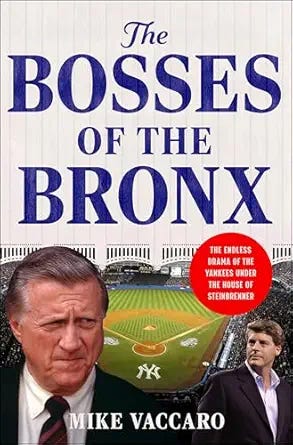
That swagger, alas, is beginning to crack as the Yankees act less and less like THE YANKEES all the time. My brother Mike Vaccaro has written the absolutely perfect book for you Yankee fans who pine for the chaotic, absurd, hilarious, and overwhelming time when George Steinbrenner ruled. And at the same time, he has written the absolutely perfect book describing how the House of Steinbrenner has fallen. The Bosses of the Bronx comes out Tuesday. If you hate the Yankees, you’ll get a huge kick out of it; it’s just so much fun. If you love the Yankees, I assume you’ve preordered it already.
BIG FAN Updates
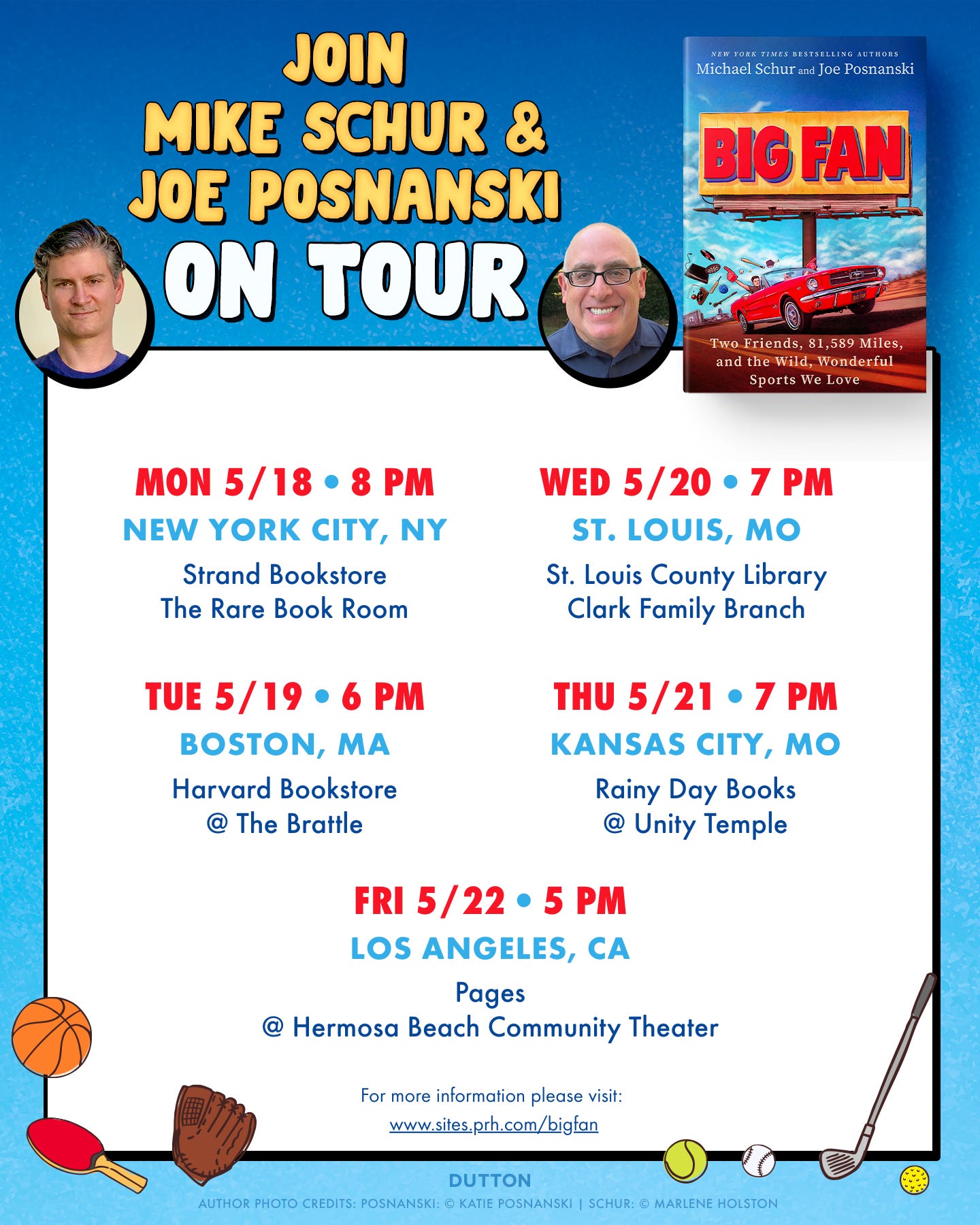
I’m told tickets are going fast for the first week of our BIG FAN tour, which is awesome to hear. Mike and I are in the process of lining up super-cool special guests to moderate at each spot — we’ll start announcing those folks when we get them finalized — so I would say that even though this is all still two months away, if you would like to get tickets, now is the very best time.
I’ll also remind you that you can preorder BIG FAN more or less everywhere you can preorder books, and you can preorder signed books from Barnes and Noble and various other places. But if you’ve been following along, you know that over at Joseph-Beth, we are having a super-special promotion where you can preorder a signed book, and you will have a chance at getting one of a number of limited editions where we add special messages or get a celebrity to sign the book as well.
Here is the prized 1 of 1 — signed by Kristin Bell AND Ted Danson:
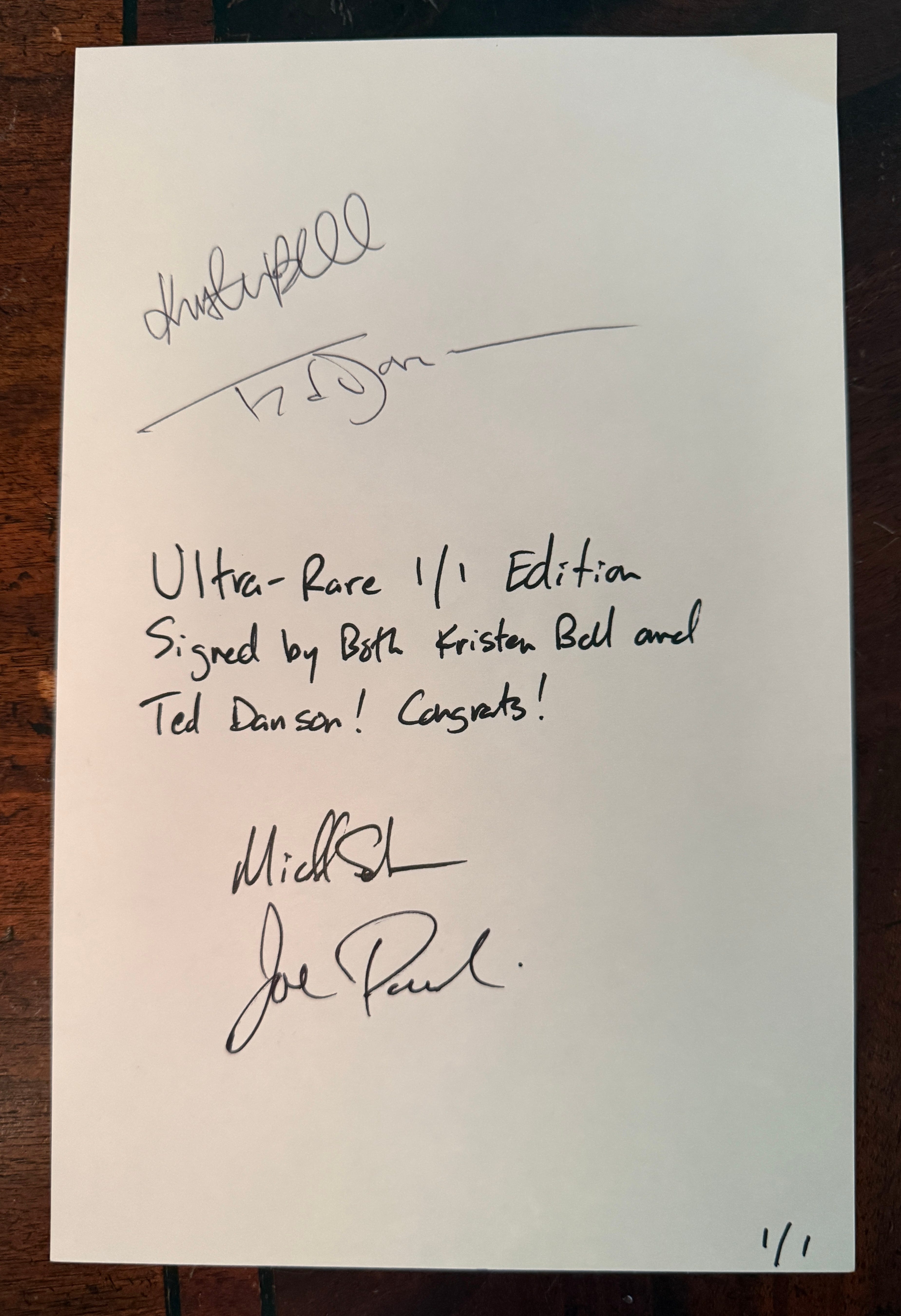
There are a bunch of other cool customized limited editions as well. You can preorder from Joseph-Beth here.
MLB joins with Polymarket because, you know, why not?
Thursday, MLB named Polymarket the league’s “Official Prediction Market Exchange,” which is, you know, exactly as Kenesaw Mountain Landis would have wanted it.
In the past, I have not been especially sympathetic to the argument that, because MLB now embraces gambling, this should somehow let Pete Rose off the hook for his various gambling sins. But it gets harder and harder to see the space between what Pete did and what Rob Manfred and the league do on the daily.
There’s something else I want to say here, but I want to be careful to make sure it doesn’t sound like I’m patting myself on the back: Over the last few weeks, JoeBlogs has received multiple pretty lucrative offers to partner with prediction markets and gambling sites. The money is flowing out there. We are fortunate here that, because of your support, we can turn all that stuff down and continue to be an independent splash of joy for you. Thank you for that.
You (and millions of others) also support MLB, so it’s not like they need the Polymarket money. They just want it.
Our Pal Ken Rosenthal maybe misses the point?
I love me some Ken Rosenthal; I just think he’s the best.
But I guess he was on a show with my American Polish Sports Hall of Fame classmate (well, I won the media award; he was elected), A.J. Pierzynski, and they got into a whole bit about the absurdity of the narrative that the U.S. players didn’t care as much as players on the other WBC teams.
The key exchange:
A.J.: “Can we put to bed the narrative, please, that the U.S. didn’t care as much as the other teams, just because they didn’t show it? And they play a different game than the U.S. people are brought up playing, right? It’s more emotional. It’s more showy. That’s fine. That’s the way it is … can you please put that narrative to bed?”
Ken: “Actually, I tried on the broadcast the other night, and it’s a ridiculous narrative. And it’s so funny to me, A.J., that 10 or 15 years ago, when we were still in the period where the unwritten rules ruled, right? The reaction of players from Venezuela, the Dominican Republic, like all the guys who would act like they did, some of the Americans too, that was looked down upon. Now, if you DON’T ACT LIKE THAT, it’s looked down upon. And the idea that these didn’t care and weren’t trying to win as hard as they could is absurd.”
I wanted to put all of this in there because it seems to me A.J. and Ken were dancing around the REAL topic, but spent their closing argument hammering home something absolutely nobody thought. I don’t know a single person who thought the American players didn’t care or weren’t trying to win. Not one. And by turning the argument into THAT — into “caring” or “will to win” — I think they are only doubling down on what the U.S. problem was in the first place.
It certainly wasn’t that they didn’t want to win. They definitely wanted to win. It was that they were dour sourpusses who brought Cobra Kai sweep-the-leg energy into this joyful tournament. I’ve already said what I can say about all that, but I will add this: The Italian team was made up of Americans. They had the time of their lives. So it isn’t about other countries’ players being more “emotional” or “showy.” It’s about a conscious U.S. decision to play “you want me on that wall/you need me on that wall” games instead of fun, happy, jubilant baseball.
Maybe they felt like playing that way gave them their best chance to win the tournament. If that’s how they felt, well, they were wrong.
My Next Book: Seasons
I’ve been spending (and will be spending) every waking moment writing my next book — and because that has been so much on my mind, I’ve dropped a bunch of hints here for a while. I realize that’s not entirely fair, so today I’m going to tell you just a little bit about it.
The book will be called “Seasons.”
And it will be a book about the greatest individual seasons in baseball history.
Well, “greatest” is not the right adjective. I don’t want to get too deep into it because I’m still heavy into the writing, but it will not simply be a countdown of the highest WAR seasons or anything like that. No, it will be the individual seasons that echo. I could give you a whole bunch of examples (well, 50 examples right off the top of my head), but I imagine you would prefer to guess.
I will tell you only this for now:
It has been SUCH a blast to write, to go back to these incredible seasons and stories.
Even though this book will feature a countdown of sorts, it’s VERY different from The Baseball 100 and the Why We Loves. I mean, it’s still about stories and wonder, so in that way it’s the same. But there’s something I purposely do in this book that, I think, makes it entirely new.
Now, I'd better go work on it so that it can actually come out in 2027.
My favorite baseball card is a 1967 Topps Tony Conigliaro—the tragic, historic season of the “Impossible Dream” Red Sox. It captures the year my all-time favorite player was launching home runs at an impossibly young age while patrolling right field at Fenway with a grace that, to my mind, rivaled Dwight Evans years later.
Everything changed in mid-August 1967, when an errant Jack Hamilton fastball struck Tony in the face and took most of his vision. It would take a year and a half before he fought his way back onto the field.
When he returned, those of us who usually sat in the center-field stands tried, in our own small way, to help. We traded our light-colored shirts for black or navy blue so Tony could pick up the ball more easily. (And yes, we’d switch back to white when our more ordinary pitching staff took the mound.) Before long, the Red Sox began calling our section “Conig’s Corner”—a designation that meant the world to us. Today it’s painted Fenway green and no longer filled with fans, but back then it felt like a place with a purpose.
There was also a girl from the North Shore who would serenade Tony between innings, adapting the old tune: “We love you, Tony, oh yes we do…” Without fail, he would turn, smile, and tip his cap.
In 1970, after nearly hitting 40 home runs, Tony was traded to the California Angels in a deal involving two players—both improbably named Ken Tatum and Jarvis Tatum. We took to calling our section “Tatum’s Corner,” if only to keep the spirit alive.
The following spring, Tony returned to Fenway as an Angel. When he jogged out to his old spot in right field, he noticed immediately: the entire section was dressed once again in black and navy blue, just for him. He settled into position, looked out toward us—and then, rising from the stands, came that familiar voice:
“We love you, Tony… oh yes we do!”
This time, even Tony couldn’t hold it in. He turned away and brushed back a few tears.
Best paragraph written about this year’s WBC: It certainly wasn’t that they didn’t want to win. They definitely wanted to win. It was that they were dour sourpusses who brought Cobra Kai sweep-the-leg energy into this joyful tournament. I’ve already written about all that, but I will add this: The Italian team was made up of Americans. They had the time of their lives. So it isn’t about other countries’ players being more “emotional” or “showy.” It’s about a conscious U.S. decision to play “you want me on that wall/you need me on that wall” games instead of fun, happy, jubilant baseball.